
Call The Rooms
(031) 581-2462 - Lenmed Ethekwini Hospital
(031) 240-5105 - Lenmed Shifa Hospital
Rooms Location
Suite 1, Fourth Floor, Lenmed Ethekwini Heart Hospital
Suite 1, Lenmed Shifa Medical Mews,Nu Shifa
Email Us
info@drnpatel.co.za
Robotic Surgery
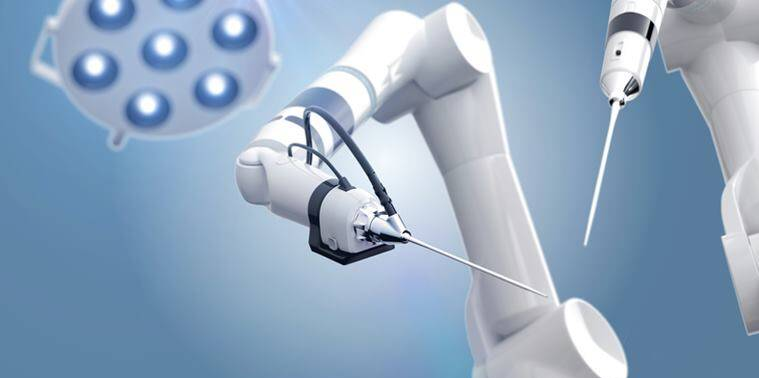
Robotic surgery is a type of minimally invasive surgery that uses a robotic system to assist the orthopaedic surgeon in performing a procedure. In orthopaedic surgery, robotic systems are used to perform procedures such as joint replacement, spine surgery, and arthroscopic surgery.
During a robotic-assisted orthopaedic surgery, Dr N Patel (an orthopeadic surgeon in Ethekwini & Nu Shifa Hospital) will use a computer console to control the robotic system, which consists of a set of mechanical arms that hold surgical instruments. The system is designed to provide the surgeon with enhanced visualization, precision, and control during the procedure.
The robotic system uses advanced imaging technology to create a 3D model of the patient’s anatomy, which allows the surgeon to plan and execute the procedure with greater accuracy. The system also has sensors that provide feedback to the surgeon about the forces being applied to the surgical instruments, which can help prevent damage to surrounding tissue.
Robotic surgery has several potential benefits over traditional open surgery or even laparoscopic surgery. These benefits may include less blood loss, less pain, shorter hospital stays, faster recovery time, and less scarring. However, robotic surgery is not suitable for all patients, and the decision to use this approach depends on the patient’s individual needs and the surgeon’s expertise.
Robotic Surgery For Knee Replacement
Robotic surgery for knee replacement is a type of minimally invasive surgery that uses a robotic system to assist the orthopaedic surgeon in performing the procedure. The surgery typically takes about 1-2 hours to complete.
During the procedure, the patient is placed under general anesthesia, and the surgeon makes small incisions around the knee joint. A robotic arm is then used to assist the surgeon in removing the damaged parts of the knee joint and positioning the prosthetic components.
The robotic system uses advanced imaging technology to create a 3D model of the patient’s knee, which allows the surgeon to plan and execute the procedure with greater precision. The system also has sensors that provide feedback to the surgeon about the forces being applied to the surgical instruments, which can help prevent damage to surrounding tissue.
After the prosthetic components are positioned, Dr N Patel (an orthopeadic surgeon in Ethekwini & Nu Shifa Hospital) will close the incisions with sutures or staples and applies a dressing to protect the wound. The patient is then taken to a recovery room to wake up from the anesthesia.
After the surgery, patients typically stay in the hospital for a few days for monitoring and physical therapy. They may need to use crutches or a walker for a period of time while they recover, and they will need to avoid certain activities, such as high-impact sports, for several months. Most patients are able to resume normal activities within 6-12 weeks after the surgery, although full recovery can take up to a year.

As an orthopaedic surgeon practicing in Ethekwini & Nushifa Hospital, these are some of the procedures rendered to patients:
Hip Replacement Surgery
A hip replacement procedure typically takes about 1-2 hours to complete. The patient is placed under general anesthesia, which means they are completely unconscious and do not feel any pain during the surgery.
Robotic Surgery
Robotic surgery is a type of minimally invasive surgery that uses a robotic system to assist the orthopaedic surgeon in performing a procedure. In orthopaedic surgery, robotic systems are used to perform procedures such as joint replacement, spine surgery, and arthroscopic surgery.
Shoulder Arthoscopy
Shoulder arthroscopy is a minimally invasive surgical procedure that allows an orthopedic surgeon to view, diagnose, and treat problems inside the shoulder joint. The procedure is performed using a small camera called an arthroscope, which is inserted into the shoulder joint through a small incision.
Total Knee Replacement Surgery
A total knee replacement surgery typically takes around 1-2 hours to complete, depending on the complexity of the procedure and the patient’s individual circumstances.
Before the surgery, the patient is placed under general anesthesia, and the surgical team prepares the knee area for the procedure. The surgeon makes an incision in the knee area to access the knee joint, usually on the front of the knee.
Sports Injury To Shoulder, Knees & Ankles
If a sports injury occurs to the shoulder, knee, or ankle it requires surgery, the duration and type of surgery will depend on the specific injury and the patient’s individual circumstances.
For a shoulder injury, such as a rotator cuff tear or dislocation, arthroscopic surgery may be performed to repair the damaged tissue.
Hand & Soft Tissue Surgery
Hand and soft tissue surgery, such as carpal tunnel syndrome, trigger finger, and tenosynovitis, typically involve minimally invasive procedures that can be performed on an outpatient basis. The duration of the procedure and recovery time will depend on the specific condition being treated and the extent of the surgery.
Dr N Patel (an orthopaedic surgeon practicing in Ethekwini & Nushifa hospital), understands that every patient is unique and requires a tailored approach to their care. He has years of experience with the latest advancements in orthopaedic medicine to ensure that you receive the highest quality care possible. Dr N Patel is committed to providing you with a comfortable, compassionate environment where you can feel confident in the care you receive.
